
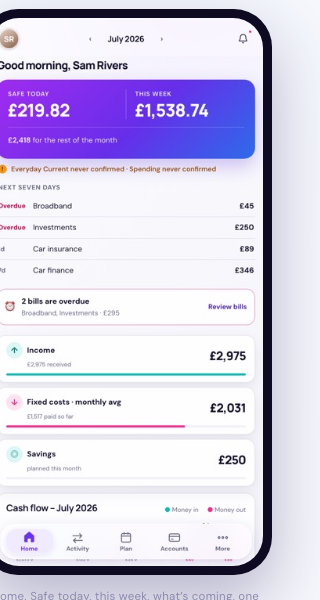
On 30 July I had Claude Code create the Jason9347/vela-ios repository at 6am UK time. By 6:43am there was a read-only core: login, Overview, Accounts, Transactions, Plan, Fixed costs, Income, a Face ID mask over the numbers, and the app’s appearance settings. Nine minutes later the remaining read-only screens landed too. That’s not a typo, less than an hour from nothing to a native SwiftUI app you could actually open and read your finances in.
The rest of the day pushed it from look-but-don’t-touch to something you’d actually use daily. By evening, editing was wired end to end: create, update and delete for accounts, transactions, plan items, income, fixed costs and debts, with optimistic UI updates that roll back if the server disagrees. Same evening, Monzo connect went in via a native web authentication session with status polling, so linking a real bank account doesn’t need a browser tab I have to babysit. Avatar upload, CSV import through the document picker, push preferences and the danger-zone actions, the ones you want gated, not one tap away, followed in the same batch.
Two decisions I made on purpose: Face ID sign-in gates the Keychain, but the server-side password gate stays too, belt and braces rather than trusting one lock. And every widget I’d eventually build reads from a snapshot, never live credentials, so nothing sensitive sits in a widget process.
Also this week: a real app icon replaced the placeholder, dark mode plus all four colour schemes got wired to the native palette with money colours held constant across every one of them so red always means red, and the full parity pass ported the calculation engine, notifications, daily and payday logic, recurrence, pots and CSV handling to Swift outright, not translated on the fly.
Vela had been a website for months. Now it’s a real iOS app, built in the time it takes to binge a TV season.
Get Useful Personal Tech by email. One short email a week: one piece of tech I’ve tested, and whether it’s worth buying, upgrading or skipping. Free, unsubscribe in one click.
